07.05.2026
💉 What We Fear About Donating Blood and Why One Visit to the Donation Center Changes Everything
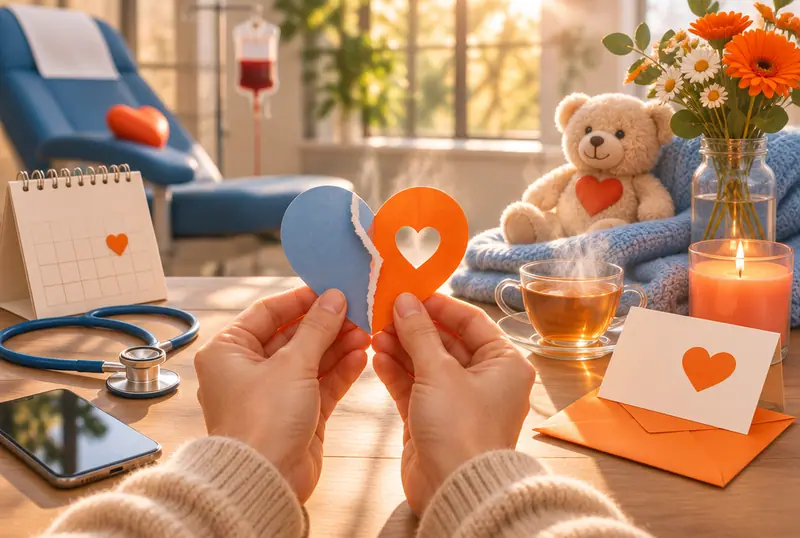
Charity is often associated with money, but there is a form of help where the main resource is yourself. Blood donation is perhaps the most direct way to participate in the rehabilitation and support of families facing illness. Every day, help for children and adults begins with someone simply coming in and donating blood. Without this, complex surgeries, cancer treatment, and recovery from injuries are impossible. Blood donations cannot be replaced by anything — it is not produced in a laboratory. And yet, there are so many fears surrounding donation that many people do not even try. The most common fear is that it will hurt. In reality, the needle prick is almost unnoticeable, and the process itself takes about ten minutes. The second fear is harming your health. The body quickly restores blood volume, and regular donation is even beneficial: it renews the blood composition and reduces viscosity. The third is the fear of seeing something scary in the treatment room. In reality, everything is sterile, the doctors are friendly, and around you sit ordinary people with tea and cookies. The fourth myth is that you need to prepare specially for weeks. It is enough to just get a good night's sleep, avoid fatty foods for breakfast, and drink a glass of water. The fifth is that it seems to take a long time. The entire visit takes about an hour, including registration and a light snack afterward. Many come for the first time out of curiosity and then get drawn in — because they feel how their blood literally gives another person a chance. Volunteers often say that the hardest step is crossing the threshold. After that, it becomes easy. There are also those who help in other ways: they make regular donations for treatment, become volunteers in hospitals, give things to families, or share their skills — for example, doing free photo shoots for mothers with children in rehabilitation. Everyone chooses their own path. But donation is a unique thing: you may not know the name of the person you helped, but you know for sure that you saved a life. And that feeling is worth overcoming fear one day and simply coming in.