11.11.2026
🧩 After the Hospital: Why Rehabilitation and Family Support Matter No Less Than Treatment
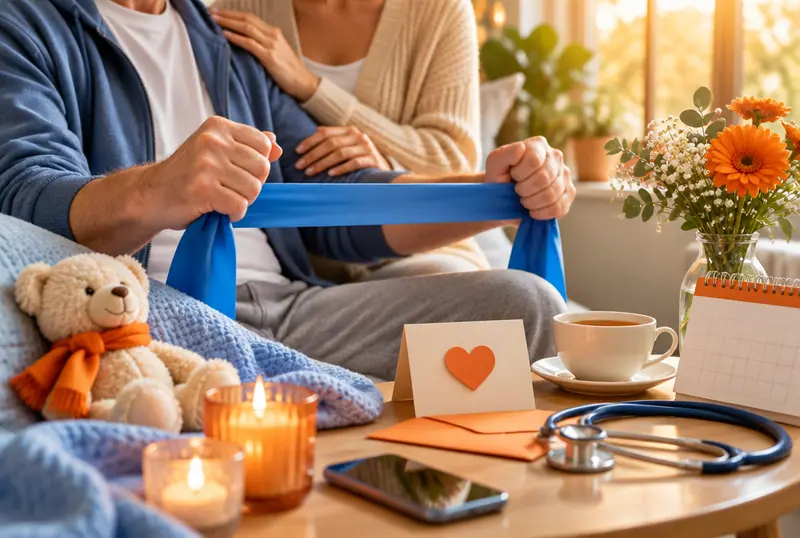
Why doesn't help end after discharge from the hospital? Because treatment is only the first stage. Rehabilitation and family support require no less strength and time, and charity here becomes the bridge that connects the hospital ward to ordinary life. Helping children after a serious illness is not only medicine but also restoring skills, returning to play and learning. Donations and regular support for families help pay for sessions with specialists, buy necessary equipment, and simply give parents a breather. Rehabilitation is a comprehensive process that includes physical exercise, work with a psychologist, a speech therapist, and other specialists. Often parents are left alone with questions that cannot be solved in a single day. For example, how to teach a child to walk again after a long bed rest or how to cope with anxiety before every examination. Here volunteers and charitable organizations come to the rescue, organizing developmental activities, creative workshops, and simply communication. Family support also means everyday help: bringing groceries, walking with the child while mom rests, or helping with paperwork. Many think the main thing is to raise money for surgery, but after discharge the fundraising often only begins. A regular donation, even a small amount, allows planning long-term rehabilitation. Volunteers can help with transport to a rehabilitation center or simply keep company on a walk. Sometimes the biggest help is to listen and not give advice, but simply be there. The practical benefit of such participation is enormous: the family gains resources, and the child has more chances for full recovery. Information support is also important: telling about the family's needs on social media so that those who can help with a specific skill or things can be found. For example, someone can give free drawing lessons to the child, and someone else can pass on developmental games. It is important to remember that rehabilitation does not end after a month; sometimes it lasts for years. That is why long-term support is so valuable, rather than a one-time initiative. Charity in this sphere is not pity but respect for the path the family is going through. Every step, even a small one, matters: a paid course of massage, new sneakers for activities, or simply a warm word. If you want to help, start small: find out what needs families in your circle have, or join the activities of a charitable organization. Remember that helping a family is not only money but also time, attention, and skills. Regular donations allow foundations to plan long-term rehabilitation programs. Volunteering gives the opportunity for personal participation and feedback. And information support helps attract resources and break the myths that after the hospital everything immediately becomes as before. In reality, the path to recovery is long, and it is easier to walk it together.